
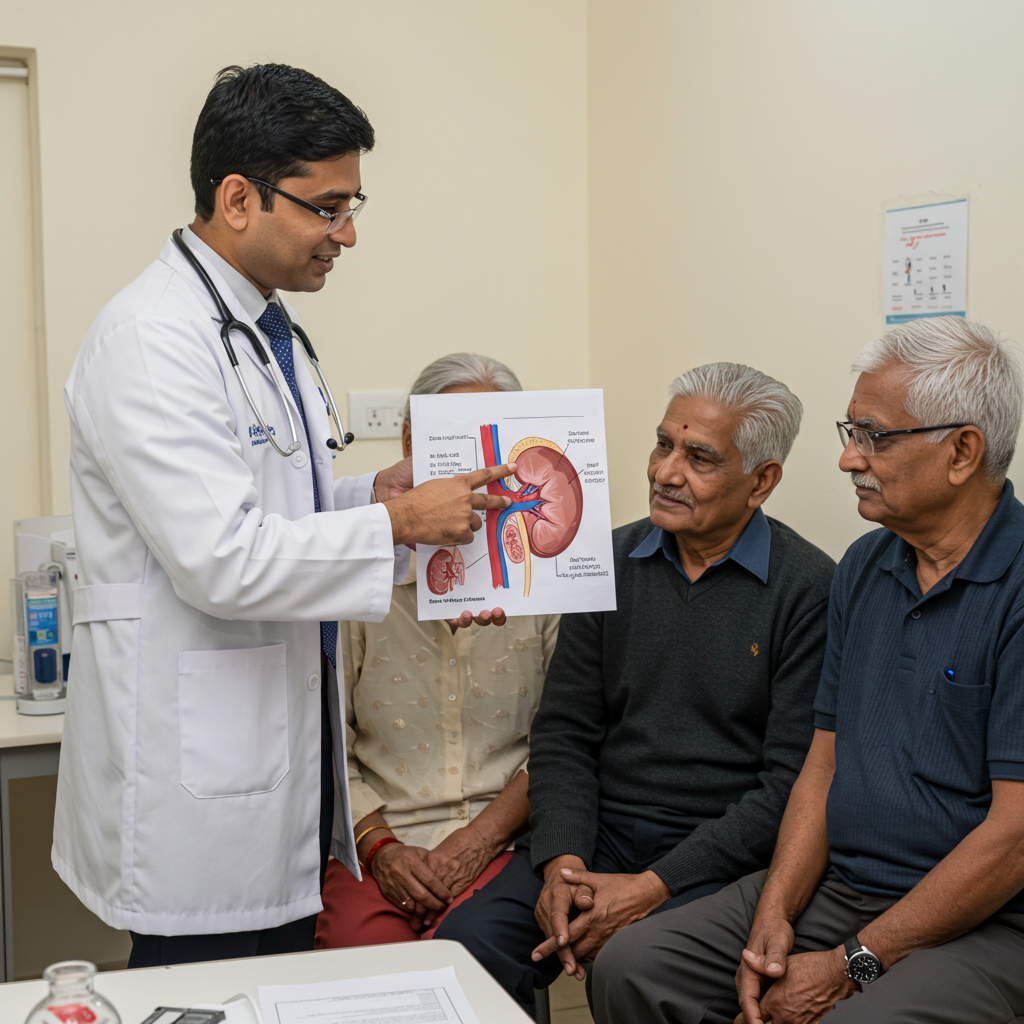
The Silent Invader: Understanding Chronic Kidney Disease (CKD) in India
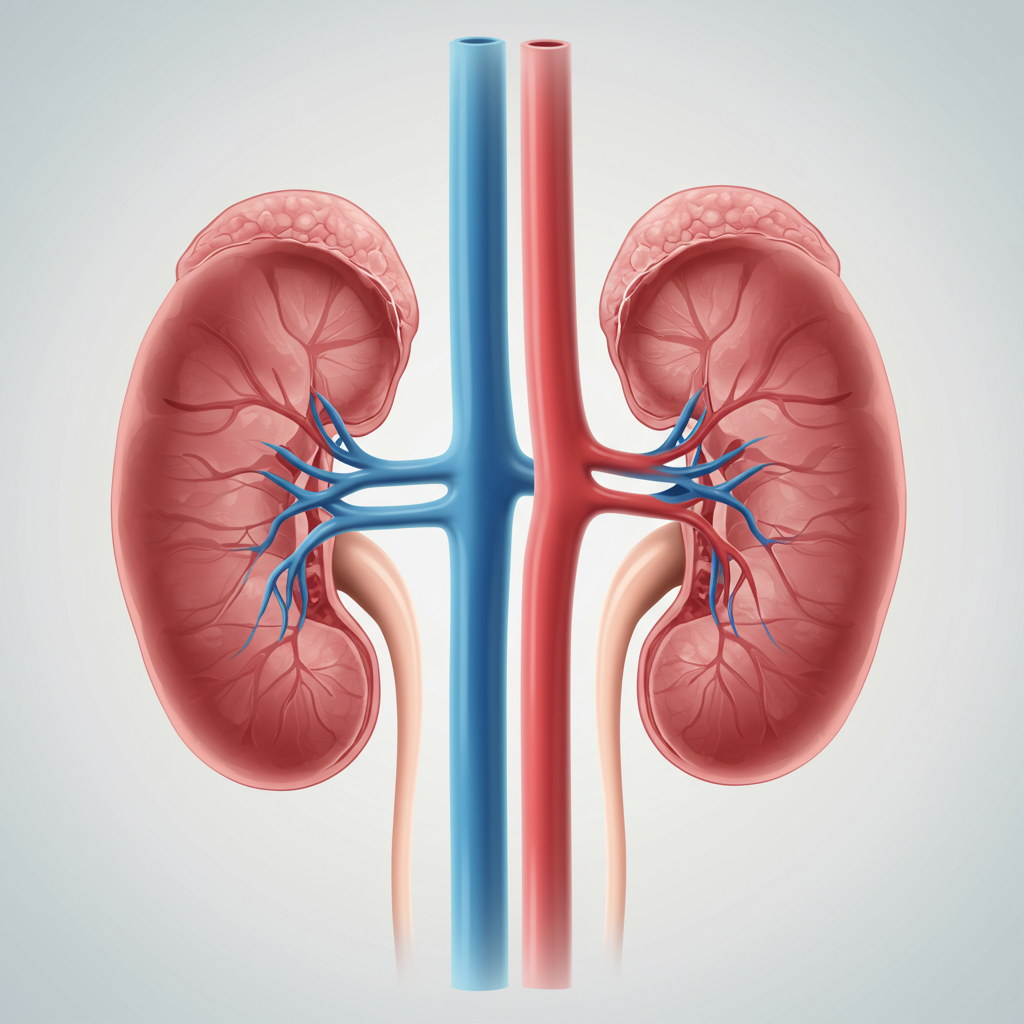
Imagine your body as a bustling city, and your kidneys as its most efficient water treatment plants. Day in and day out, these two bean-shaped organs work tirelessly, filtering about 170 litres of blood, removing waste, excess water, and toxins. They also play a vital role in balancing essential minerals, producing hormones, and keeping your bones strong. But what happens when these crucial filters start to slow down, silently, without much fanfare?
This is the story of Chronic Kidney Disease (CKD) – a condition that often progresses quietly, like a stealthy river eroding its banks over time. In India, CKD is a growing concern, impacting millions, often linked to lifestyle changes and the prevalence of other health conditions.
The Unseen Beginning: How CKD Takes Root
Unlike a sudden fever or a visible injury, CKD usually doesn’t announce its arrival with loud alarms. For many, its journey begins subtly, often as a consequence of other common health issues prevalent in India:
The Diabetes Connection: India is often called the “diabetes capital of the world.” High blood sugar, if uncontrolled over years, is like sticky syrup flowing through your blood vessels, gradually damaging the tiny filters (nephrons) within your kidneys. This damage reduces their ability to clean your blood, leading to what doctors call Diabetic Nephropathy.
The High Blood Pressure Link: Hypertension, or high blood pressure, puts immense strain on the delicate blood vessels in your kidneys, much like an overinflated pipe can burst. Over time, this constant pressure wears them out, making them less efficient.
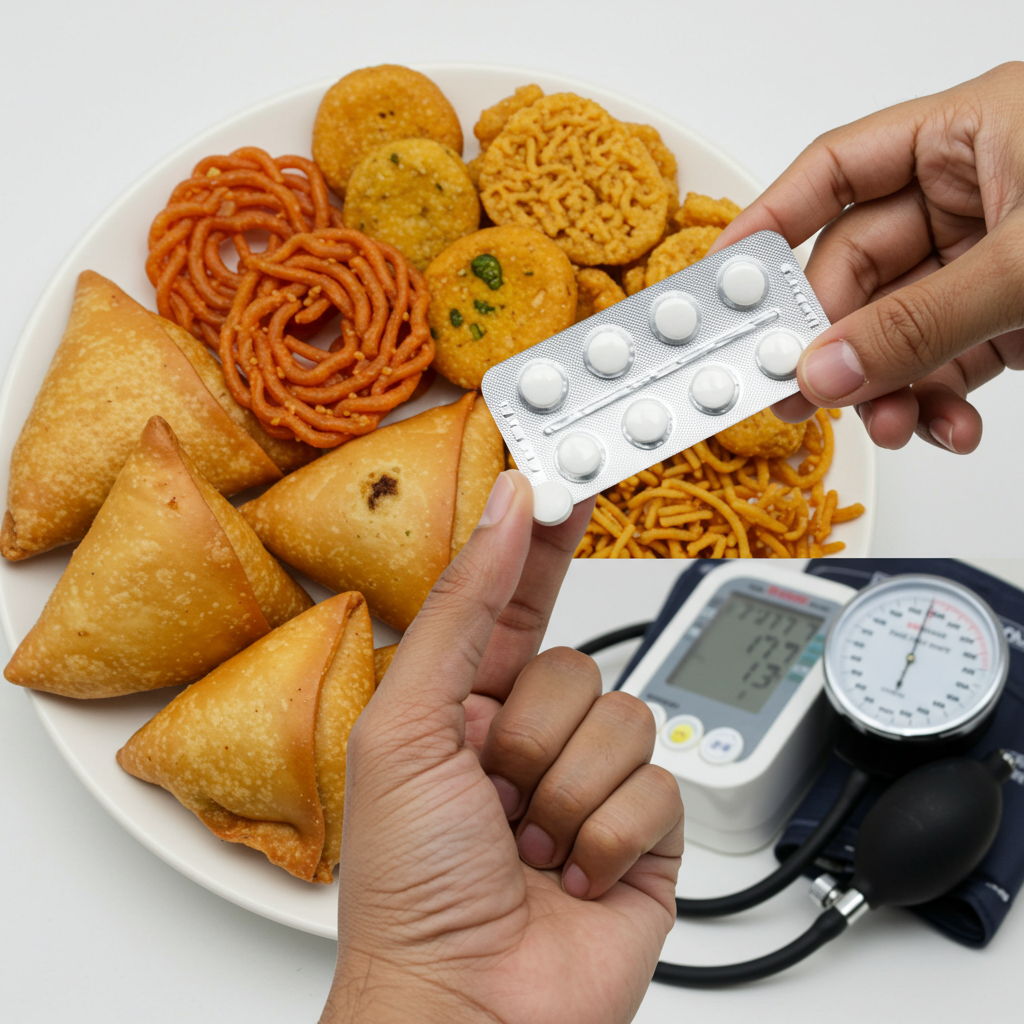
The Self-Medication Trap: In India, it’s common to reach for over-the-counter painkillers for every ache or pain, or to try various “herbal” or “Ayurvedic” remedies without proper medical consultation. While many are safe, some unverified or overused medications can be surprisingly toxic to your kidneys, causing silent but significant damage.
Kidney Stones & Infections: Recurrent kidney stones, if not treated, can block the flow of urine, creating pressure and damaging the kidneys. Similarly, untreated or frequently recurring urinary tract infections (UTIs) can spread upwards to the kidneys, leading to scarring and reduced function.
Genetics & Other Causes: Sometimes, CKD runs in families, or it can be caused by conditions like Polycystic Kidney Disease (PKD), where cysts grow in the kidneys, or glomerulonephritis, an inflammation of the kidney’s filters.
What Does CKD Entail? A Gradual Decline
Once the damage begins, CKD is often a progressive condition, meaning it tends to worsen over time. Doctors classify CKD into five stages, based on how well your kidneys are filtering blood (measured by GFR – Glomerular Filtration Rate).
Early Stages (1-3a): Your kidneys are still doing a fair job, but there’s some evidence of damage. Most people in these stages have no symptoms, which is why CKD is called a “silent killer.” This is the best time for intervention!
Later Stages (3b-5): Kidney function declines significantly. Waste products build up in the blood, leading to symptoms like fatigue, swelling, loss of appetite, and changes in urination. Stage 5 is kidney failure, where kidneys can no longer sustain life without support.
The Importance of Early Detection
Because CKD is so silent in its early phases, regular health check-ups become your best defence. A simple blood test (for creatinine and estimated GFR) and a urine test (for protein) can reveal early signs of kidney trouble. If you have diabetes, high blood pressure, or a family history of kidney disease, these tests are not optional – they are essential lifelines.
Understanding CKD is the first step towards managing it. It’s about recognizing the silent signals, adopting a kidney-friendly lifestyle, and seeking timely medical advice. Your kidneys work tirelessly for you; it’s time to return the favour and protect these unsung heroes.